

The Benefits of a Filter Coffee Machine
A filter coffee maker is a simple method of making an espresso hot at the touch of the button. They are available in a variety of sizes and capacities, and a majority of models come with options for adjusting the coffee to water ratio, as well as other variables to suit your the individual's preferences.
Selecting the Best Coffee Beans
If you're a coffee enthusiast, you're probably aware that the type of beans used in a cup can enhance or diminish the flavor. The selection of the coffee beans however, is only one aspect of a complicated process that relies on a variety of other variables to create the perfect cup of coffee. The way in which you prepare and store your grounds of coffee and the temperature of the water and brewing time are all vital to a perfect filter coffee cup.
The top filter coffee machines are versatile enough to work with a variety of different beans. This means you can experiment with various blends and grind sizes. The key to a great cup is to achieve the perfect balance of flavor and extraction which requires attentiveness to all variables.
To get the most out of your filter coffee maker you must select top-quality, freshly ground beans. The right grind size is also crucial; a medium coarseness is generally recommended for filter coffee. Make sure that your grinds aren't too fine, which can result in over-extraction and bitterness.
Filter coffee machines are an eco-friendly and cost-effective alternative to expensive coffee pods that are not recyclable. Instead you can make use of any ground coffee and adjust the strength and quantity desired. Additionally, opting for filter filters that are reuseable reduces waste. try what she says should also make sure to clean your machine frequently to avoid a build-up old coffee oils and residue which could affect the flavor of your brew.
The right coffee beans can add a distinctive subtle flavor to your drink. It is important to know the origin, cultivar/varietal, and roast level for a particular variety to know how they work with different recipes. Once you're familiar with these terms, finding the perfect coffee beans for your brewing style and preferences is much easier.
Choose arabica beans if you want a milder, more subtle coffee. They are smoother and more complex than other types and have a lower level of acidity. You can also go for single-origin beans to experience the unique flavor of a particular region or farm.
Preparing the Coffee
Filter coffee machines are a great method to make delicious coffee. The main components of this brewing method are the coffee-to-water ratio, coffee grinding and placement, and the choice between paper filters or permanent ones made from cloth or metal. The cup that results is smooth, rich, and flavorful. If you follow the right method this drink is simple to make and enjoyable to drink.
It is essential to use filtered water when preparing your coffee. This allows the rich flavors to come through. To find the perfect cup, it is recommended to experiment with the ratio of coffee to water. But it should be done in moderate amounts and with a high degree of consistency.
Use about 1 tablespoon of coffee ground per 6 ounces water. This can be adjusted to meet your tastes and preferences. Once you've reached a satisfactory ratio, you must grind the coffee in advance of brewing. To ensure that all flavors are evenly extracted grind your coffee to the consistency of a medium-fine.
It is a good idea to wet the filter paper before putting it in the machine for brewing. This will eliminate any taste of paper and help to preheat the filter. Add the coffee grounds you measured to the filter and spread them evenly. Certain machines require a slight indent in the middle of the coffee grounds, since this is to ensure even extraction throughout the brewing process.
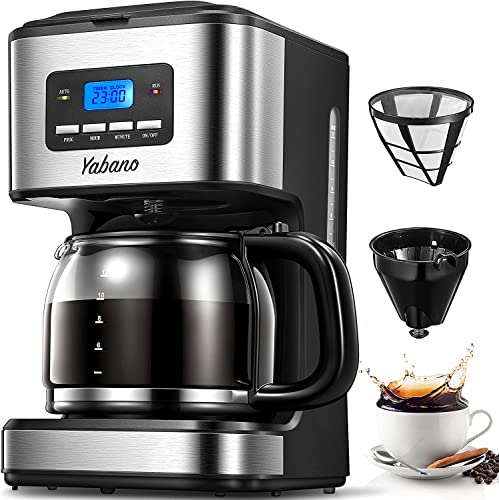
After you've added the ground coffee, it's now time to pour in the water. It's a good idea preheat the water before adding it, since this will prevent any potential burning or bitterness in your cup of filter coffee. Pour the water over the grounds of coffee but not until it drips into the bowl or carafe.
Some filter coffee machines come with a showerhead which distributes hot water over the coffee grounds to increase extraction. Some machines come with a cup to hold the coffee after it's finished. In either case, it's important to keep the machine clean in order to prevent mineral deposits from building up over time. These can affect the taste of your coffee and create long-term problems for the machine.
Brewing the Coffee
Filter coffee is an incredibly flavorful, rich cup of coffee that is made by a process-oriented approach. Its complex flavours are derived from the hot water stream that flows through the coffee grind and filter. To get the best results, it is essential to use fresh beans and the proper grind size. The proper proportion of water-to-coffee and keeping the temperature of the water constant and using the correct filtering method are also crucial. The kind of coffee grounds used and the selection of paper filters or reusable filters are also important factors that affect the taste of the brewing.
Fill the water tank with clean, filtered water prior to when you begin preparing filter coffee. You can obtain enough water by filling the pot until the marked marks on the side. The water needs to be heated up to the point of boiling. When the water is ready, measure out the appropriate amount of ground coffee for your desired strength and add it to the filter basket.
A coffee that is finely ground gives more smoother tasting coffee, whereas the coarser grind produces more intense notes. It is recommended to separate the coffee grounds with a tamper or spoon before adding them to ensure an even distribution of the grounds, and also to get rid of any sediment. The coffee grounds must be distributed evenly across the entire filter to ensure an equal amount of extraction throughout the brewing cycle.
After adding the ground coffee close the lid and add the filter. Then press the designated button to start the brewing process. The machine will heat the water then distribute it evenly over the grounds and filter and then collect the espresso that is brewed into a carafe or another container.
Pour-over methods like the Hario V60 and Chemex are great alternatives to filter machines if you prefer to do it yourself. These manual machines offer greater control over the process of brewing, allowing you to create unique, customized cups of coffee. They can be very time-consuming and require additional cleaning. Whatever method of brewing you prefer, it is vital to follow good maintenance and cleaning practices for your filter coffee maker to extend its lifespan and ensure that it functions effectively.
Maintaining the Machine
The quality of the coffee made by filters is dependent on the proper operation and maintenance. This means regular cleaning and decaling to remove mineral deposits and other particles which could affect the performance of the machine and the taste of the coffee. It is also essential to use the correct water temperature and pressure, which will enhance the flavor of the coffee.
Another crucial aspect to consider is the kind of filter that will be used in your filter coffee maker. Paper, metal and cloth are the most commonly used kinds. Paper filters are usually bleached, but there are unbleached alternatives available that are considered to be more environmentally friendly. The cloth and metal filters can be reused and cleaned to remove coffee grounds.
The best filter coffee machines are easy to maintain, and require only regular cleaning to keep them in good working order. This routine should include rinsing and emptying the filter after each brewing cycle. It is recommended to clean the coffee maker and brew basket each week using warm, soapy water and a soft cloth or brush. Descale the machine often by adding equal parts water and vinegar to the reservoir of water, and then running a full brewing cycle.